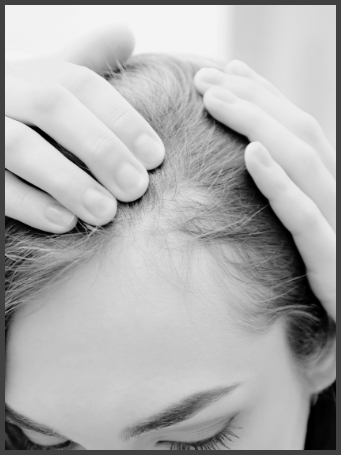
Heat and humidity can make summer uncomfortable, but they can also change how your scalp feels and behaves. For men who are already concerned about thinning hair, these changes may become more noticeable. A hot climate can increase sweating, make the scalp feel oily and uncomfortable, and encourage the build-up of styling products, dirt and excess sebum. Humid weather can also make hair look flatter, weaker or less manageable.
It is important to understand that hot or humid weather does not directly cause male pattern hair loss. Genetics, hormones, age and certain health conditions have a much greater role in permanent hair thinning. However, environmental conditions can affect scalp comfort and hair quality. They may also make an existing hair problem more difficult to manage.

Understanding the connection between your scalp, the environment and your daily hair-care habits can help you take better care of your hair. With the right approach, you can support a healthier scalp while exploring suitable options for improving hair growth.
Why Heat and Humidity Can Change Your Scalp
Your scalp contains thousands of hair follicles and many sebaceous glands. These glands produce sebum, a natural oil that helps protect the skin and hair. Hot weather can increase sweating and may make the scalp feel more oily.
Humidity can add another challenge. When there is a high level of moisture in the air, sweat may not evaporate as easily. This can leave the scalp feeling damp for longer. If hair is not washed or dried properly, sweat, oil and product residue can build up.
This does not mean that humidity causes permanent hair loss. However, an unhealthy or irritated scalp can contribute to discomfort, itching, flaking and inflammation. These problems can affect the overall condition of the hair and make existing thinning more noticeable.
Does Hot Weather Cause Hair Loss in Men?
Hair loss has many possible causes. The most common form of progressive hair loss in men is androgenetic alopecia, often known as male pattern hair loss. It is strongly influenced by genetics and sensitivity to hormones.
Heat alone does not usually cause this type of hair loss. However, extreme environmental conditions may affect the scalp and hair shaft. Excessive sweating, frequent exposure to sunlight and poor hair-care habits can all affect hair quality.
For men experiencing noticeable thinning, it is useful to look beyond the weather. A professional assessment can help identify whether the problem is related to male pattern hair loss, temporary shedding, scalp conditions, nutritional issues or another factor.
This is where a suitable hair loss treatment for men may become part of a wider hair-care plan. The right treatment depends on the cause, stage and pattern of hair loss.
How Sweating Affects the Scalp
Sweating is a normal way for the body to regulate temperature. It is not harmful by itself. The problem can occur when sweat remains on the scalp for long periods, especially when combined with oil, dust and styling products.
A sweaty scalp may feel itchy or greasy. Some men may also notice more flakes or irritation. Scratching the scalp can make irritation worse and may damage fragile hair.
After exercising or spending a long time outdoors, gently cleansing the scalp can help remove sweat and residue. However, washing too aggressively can also cause dryness and irritation. The goal is to keep the scalp clean without stripping away its natural protective oils.
Humidity, Dandruff and Scalp Health
Humid conditions can create a warm and moist environment on the scalp. For some people, this may make dandruff or seborrhoeic dermatitis more noticeable. Symptoms can include flaking, redness, itching and an oily scalp.
If these symptoms continue, it is important not to assume that they are simply caused by the weather. Persistent scalp problems may require professional assessment.
A gentle hair-care routine can help. Use products that suit your scalp type and avoid excessive use of heavy oils or styling products. If your scalp is prone to dandruff, a suitable anti-dandruff shampoo may also be recommended.
A healthy scalp provides a better environment for existing hair follicles. However, treating dandruff alone will not reverse genetic hair loss.
Sun Exposure and Hair Health
Summer often means more time outdoors. Prolonged exposure to strong sunlight can affect the hair shaft and scalp. Ultraviolet radiation can contribute to dryness and damage, particularly when the hair is already fine or fragile.
Men with thinning hair may have less natural coverage over parts of the scalp. This means those areas can receive more direct sun exposure.
Wearing a breathable hat can provide useful protection when spending extended periods outdoors. Look for comfortable materials that allow air to circulate. A hat should not be so tight that it causes discomfort or excessive sweating.
Scalp protection is particularly important during holidays, outdoor sports and long periods in direct sunlight.
Can Heat Make Hair Look Thinner?
Yes, but this does not necessarily mean that more follicles have been lost.
Humidity can change the texture and shape of the hair. Fine hair may become flat or separated into strands. Sweat and oil can also make the hair stick together. When the scalp becomes more visible between strands, hair may appear thinner than usual.
This temporary change can be worrying. However, appearance and actual hair density are not always the same thing.
If thinning continues even when the weather changes, it is worth investigating the underlying cause. Early attention can be helpful when considering hair regrowth for men, particularly when genetic hair loss is suspected.
Build a Scalp-Friendly Routine for Hot Weather
A simple routine can make a difference to scalp comfort. Start by keeping the scalp clean, especially after exercise or prolonged outdoor activity. Choose a shampoo based on your scalp needs rather than simply choosing the strongest cleansing product.
Avoid very hot water when washing your hair. Lukewarm water is generally more comfortable for the scalp. Massage shampoo gently with your fingertips instead of scratching with your nails.
After washing, allow your hair to dry properly. Avoid keeping the scalp covered while it is still very wet for long periods.
It is also sensible to reduce excessive use of heat-styling tools. Hair dryers, straighteners and curling tools can expose the hair shaft to additional heat. If you use a hair dryer, choose a moderate temperature and keep it moving rather than directing hot air at one spot.
Choose Hair Products Carefully
Hot and humid weather may encourage men to use more styling products to control their hair. Gels, waxes, sprays and creams can be useful, but heavy product build-up may make the scalp feel greasy.
Choose lightweight products where possible. Wash them out properly and avoid applying large amounts directly to the scalp unless the product is designed for scalp use.
If your hair is already thinning, avoid hairstyles that pull the hair tightly. Repeated tension can place stress on the follicles and may contribute to traction-related hair loss.
Good hair care cannot stop genetic hair loss, but it can reduce unnecessary stress on the scalp and hair shaft.
When Should Men Consider Professional Hair Loss Advice?
Temporary changes caused by heat and humidity should not be confused with progressive hair loss. If you notice a receding hairline, widening crown, increasing scalp visibility or ongoing shedding, professional advice can help identify the cause.
Men often delay seeking help because they expect hair loss to be a normal part of ageing. While some degree of hair change is common, significant or progressive thinning deserves attention.
A professional can assess the hairline, scalp and density of the hair. They may also consider your family history, lifestyle and pattern of shedding.
Depending on the diagnosis, male hair loss treatment may involve medical options, topical treatments, lifestyle measures or, in suitable cases, surgical restoration. Not every treatment is appropriate for every person, so individual assessment is important.
Support Hair Growth from the Inside
Scalp care is only one part of maintaining healthy hair. Nutrition also matters. Hair follicles require a range of nutrients to support normal growth.
A balanced diet should include adequate protein, vegetables, fruit, whole grains and healthy sources of fats. Drinking enough water is also important, especially during hot weather when fluid loss through sweating can increase.
Avoid taking high-dose supplements simply because they are marketed for hair growth. Some supplements are useful when a deficiency is present, but unnecessary supplementation may not improve hair growth and can sometimes cause problems.
If you have concerns about your diet or sudden hair shedding, speak with an appropriate healthcare professional before starting supplements.
How Want Hair Ltd Can Help Men Explore Their Options
Men dealing with ongoing thinning may want to understand the options available to them before deciding on a treatment. Want Hair Ltd can help men explore hair restoration and treatment options based on their individual concerns.
The first step should always be understanding the reason for hair loss. A receding hairline, thinning crown and diffuse shedding can have different causes and may require different approaches.
It is also important to have realistic expectations. Hair restoration is not simply about adding more hair. A suitable approach should consider existing density, donor hair, hairline design and future hair loss.
By seeking appropriate guidance early, men can make more informed decisions about their hair.
Simple Ways to Protect Your Scalp in Hot and Humid Weather
You do not need a complicated routine to care for your scalp during warmer months. A few consistent habits can help:
- Wash your scalp when sweat and oil build up.
- Use a shampoo suited to your scalp condition.
- Avoid very hot water.
- Dry your scalp properly after washing.
- Protect exposed areas from prolonged sunlight.
- Wear a breathable hat when appropriate.
- Avoid excessive use of heated styling tools.
- Do not scratch an itchy scalp.
- Avoid tight hairstyles that pull on the hair.
- Maintain a balanced diet and stay adequately hydrated.
- Seek professional advice if thinning or shedding continues.
These steps will not prevent genetic hair loss, but they can help maintain a cleaner, more comfortable and better-supported scalp.
Conclusion
Heat and humidity can change the way your scalp feels and the way your hair looks. Sweat, excess oil, dandruff, sun exposure and product build-up can all become more noticeable during warmer weather. However, it is important to remember that hot and humid conditions are not usually the root cause of permanent male pattern hair loss.
If your hair continues to thin, look beyond the weather. Understanding the underlying cause is the first step towards choosing an appropriate solution. Professional guidance can help you understand whether you need a hair loss treatment for men, a targeted approach to hair regrowth for men, or another form of male hair loss treatment.
With consistent scalp care, healthy habits and the right professional advice, you can take a more informed approach to protecting your hair and planning for its future.