Friday, September 18, 2026

How to Protect Your Hair While Undergoing Hair Loss Treatment for Women

Hair loss can be a stressful experience for women. It can affect confidence, styling choices, and everyday routines. Starting the right treatment is an important step, but protecting the hair and scalp during treatment is just as important.

A thoughtful approach can help reduce unnecessary hair damage and support a healthier scalp. From gentle hair care to sensible styling habits, small changes can make a meaningful difference.

Professional hair loss treatment for women should always be selected according to the cause of hair loss. Different types of hair loss can have different triggers. Therefore, women should seek professional advice before starting a treatment programme.
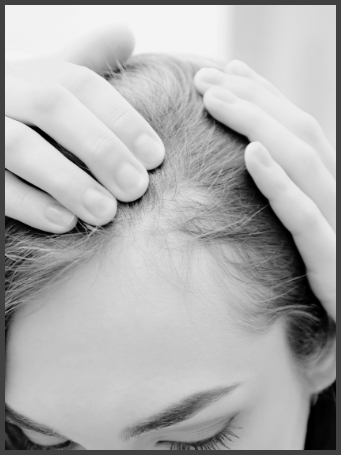
Hair Loss Treatment for Women

Understand Your Hair Loss Before Starting Treatment

The first step is understanding why your hair is thinning or shedding. Hair loss can have many causes. These may include genetic factors, hormonal changes, nutritional deficiencies, stress, certain medical conditions, or damage caused by hair care practices.

A professional assessment can help identify the likely cause. It can also help determine whether a particular treatment is suitable.

Women should avoid changing treatments frequently without professional guidance. Giving a treatment time to work and following the recommended programme can be more useful than trying several approaches at once.

A personalised female hair loss treatment plan should consider the individual's hair condition, scalp health, lifestyle, and treatment goals.

Follow Your Treatment Plan Carefully

Once a suitable treatment has been recommended, consistency matters. Follow the instructions provided by your doctor or hair specialist.

Avoid applying more of a product than recommended. More is not always better. Excessive use can irritate the scalp or create other problems.

Similarly, do not stop a treatment suddenly unless a qualified professional advises you to do so. Some treatments require regular use or a specific schedule.

If you notice unusual irritation, persistent redness, severe itching, or other unexpected symptoms, speak with the professional managing your treatment.

Keep Your Scalp Clean and Comfortable

A healthy scalp provides a good environment for hair care. Regular washing can help remove excess oil, sweat, styling products, and environmental dirt.

However, washing too aggressively can irritate. Use a shampoo that suits your scalp and follow the advice given by your hair specialist.

Use lukewarm water rather than very hot water. Hot water may leave the scalp feeling dry and uncomfortable.

When washing, massage the scalp gently with your fingertips. Avoid scratching with your nails. Pat the hair dry rather than rubbing it harshly with a towel.

These simple habits can reduce unnecessary mechanical stress on fragile hair.

Avoid Excessive Heat Styling

Hair that is already thinning can be more vulnerable to breakage. Frequent use of heated styling tools can add further stress.

Hairdryers, straighteners, curling irons, and heated brushes can expose the hair shaft to high temperatures. Try to reduce how often you use them.

When heat styling is necessary, use the lowest practical temperature and avoid keeping the tool in one place for too long.

Allowing the hair to dry naturally when possible can also reduce exposure to heat.

Protecting the hair shaft will not treat the underlying cause of hair loss, but it can help reduce additional breakage.

Be Careful With Chemical Treatments

Hair colouring, bleaching, relaxing, and perming can change the structure of the hair. Frequent chemical treatments may make fragile hair more prone to dryness and breakage.

If you are undergoing hair loss treatment for women, discuss chemical treatments with your hair specialist before continuing your usual routine.

You may not need to stop colouring your hair completely. However, reducing the frequency or choosing gentler options may be appropriate for some people.

Always consider the condition of both your scalp and hair before undergoing a chemical treatment.

Choose Gentle Hairstyles

Tight ponytails, buns, braids, and extensions can place repeated tension on the hair roots. This can contribute to traction-related hair loss in some cases.

Choose loose hairstyles when possible. Avoid pulling the hair tightly or using accessories that grip the hair too strongly.

If a hairstyle causes pain, pulling, or discomfort on the scalp, it is best to loosen it or change the style.

Simple hairstyles can help minimise unnecessary tension while you are following a female hair loss treatment programme.

Brush and Comb Your Hair Gently

Fragile hair can break more easily when it is pulled or handled roughly. Use a suitable wide-tooth comb or gentle brush, depending on your hair type.

Start at the ends and work upwards when removing tangles. Avoid forcing a comb through knots.

Wet hair can be particularly vulnerable to stretching and breakage. Handle it carefully after washing.

Small changes in your daily routine can help protect the hair you already have while your treatment plan addresses the underlying issue.

Protect Your Hair From the Environment

Environmental factors can also affect hair condition. Strong sunlight, wind, pollution, and dry air may leave the hair feeling dry or rough.

When spending a long time outdoors, consider wearing a hat that provides comfortable coverage without creating excessive heat or pressure on the scalp.

Keep your hair protected from harsh environmental exposure where practical. However, remember that external protection is only one part of a complete hair care routine.

The main focus should remain on identifying the cause of hair loss and following appropriate professional treatment.

Maintain a Balanced Lifestyle

Hair health is connected to overall health. A balanced diet provides nutrients that the body needs for normal hair growth and maintenance.

Include a variety of foods containing protein, vitamins, minerals, healthy fats, vegetables, fruit, and whole grains.

Do not take high-dose supplements simply because you are experiencing hair loss. Some deficiencies can contribute to hair problems, but supplementation should be based on professional advice when appropriate.

Adequate sleep, regular physical activity, and sensible stress management can also support general well-being.

Lifestyle improvements should complement, rather than replace, appropriate medical advice.

Be Patient With Your Treatment

Hair growth does not usually change overnight. Depending on the cause and treatment, visible improvement may take time.

It is natural to feel concerned if results are not immediate. However, changing treatments too quickly can make it difficult to understand what is working.

Keep track of changes in your hair and scalp. Your specialist may also recommend photographs or follow-up assessments to monitor progress.

If you are considering the best hair loss treatment UK options, focus on suitability rather than choosing a treatment simply because it is popular.

Choose Professional Guidance

The quality of your treatment experience can depend greatly on the provider you choose. A professional should take time to understand your concerns and assess your hair loss before recommending an approach.

Women considering hair loss treatment UK services should look for appropriate professional expertise, clear treatment information, realistic expectations, and suitable aftercare.

It is also important to understand what a treatment can and cannot achieve. No single approach is suitable for every woman.

A reliable provider should explain the process clearly and help you make an informed decision.

How Want Hair Ltd Supports Women with Hair Loss

Want Hair Ltd provides hair restoration and hair transplant services for people looking for professional solutions to hair loss.

For women considering treatment, understanding the available options is an important part of the decision-making process. Depending on the individual situation, a specialist may discuss different approaches and whether surgical or non-surgical options may be appropriate.

The focus should always be on a personalised assessment rather than assuming that the same solution will work for everyone.

Women exploring hair loss treatment can therefore benefit from discussing their concerns with an experienced hair restoration provider before deciding on their next step.

Conclusion

Protecting your hair while undergoing treatment requires patience, consistency, and gentle care. Avoid excessive heat, reduce harsh chemical treatments, choose loose hairstyles, handle the hair carefully, and keep the scalp clean and comfortable.

Most importantly, understand the cause of your hair loss and follow a treatment plan suited to your individual needs.

Whether you are researching female hair loss treatment, comparing hair loss treatment UK options, or looking for the best hair loss treatment UK, professional assessment should come before making a decision.

With appropriate guidance and sensible hair care habits, you can protect your existing hair while working towards your longer-term hair restoration goals.

Friday, September 11, 2026

Emerging Technologies Transforming Hair Loss Treatment for Men

 Hair loss is a common concern for men across the UK. A receding hairline, thinning crown or reduced hair density can affect confidence and everyday life. At the same time, advances in hair restoration are giving men more options than ever before.

Modern hair loss treatment for men is moving towards personalised assessment, precise procedures and natural-looking results. New technologies are helping specialists understand hair loss more clearly and plan treatments with greater accuracy. From advanced diagnostic tools to refined hair transplant techniques, technology is changing how men approach hair restoration.

Better Diagnosis Is Improving Treatment Planning

A successful hair restoration plan starts with understanding the cause and pattern of hair loss. Modern clinics can use advanced imaging and digital assessment tools to examine the scalp and existing hair.

These tools can help specialists assess hair density, hair calibre and the condition of the scalp. They can also help identify patterns that may not be easy to see during a basic visual examination.

Better assessment allows treatment plans to be more individual. Instead of taking the same approach for every patient, specialists can consider factors such as age, hair loss pattern, donor hair availability and long-term expectations.

This personalised approach is becoming an important part of modern male hair loss treatment.

Artificial Intelligence Is Supporting Hair Restoration Planning

Artificial intelligence is becoming increasingly relevant across healthcare, including hair restoration. AI-based systems can help analyse images and identify patterns in hair density and loss.

For hair restoration clinics, this technology may support treatment planning and patient consultations. Digital analysis can help specialists compare different areas of the scalp and understand where hair density has changed.

AI does not replace a qualified medical professional. Instead, it can act as a supporting tool. Clinical judgement remains essential when deciding whether a treatment is appropriate.

As technology develops, AI may become an even more useful part of personalised hair loss treatment for men.

Digital Scalp Analysis Offers a Closer Look

Traditional scalp examinations provide valuable information, but digital systems can offer additional detail. High-resolution imaging can allow specialists to examine the scalp and hair from different angles.

This can be useful when assessing early thinning. Men may notice that their hair looks less dense before significant hair loss becomes obvious. Detailed analysis can help identify these changes and support earlier discussions about treatment.

Digital records can also help clinics monitor changes over time. This can be useful when assessing the progress of a treatment plan.

For men exploring hair regrowth, understanding the current condition of the scalp and hair is an important first step.

Advanced Hair Transplant Techniques Are Becoming More Precise

Hair transplantation has also evolved. Modern techniques focus on placing individual hair follicles carefully to create a natural appearance.

Follicular Unit Extraction, commonly known as FUE, involves removing individual follicular units from a suitable donor area before placing them into areas affected by hair loss.

The placement of grafts requires careful planning. Hair direction, angle, density and the design of the hairline all influence the final appearance.

Modern instruments and improved surgical techniques can support greater precision. However, technology alone does not determine the quality of a hair transplant. The experience and skill of the medical team remain extremely important.

Robotic Assistance Is Entering Hair Restoration

Robotic technology has attracted interest within the hair restoration sector. Robotic systems can assist with aspects of follicular unit harvesting by using digital imaging and precision movements.

Such systems are designed to support consistency and accuracy. However, they are not suitable for every patient or every type of hair loss.

A qualified specialist should assess whether robotic assistance is appropriate. The treatment method should always be selected according to the patient's individual needs rather than technology alone.

Sapphire FUE and Refined Instruments

Another development in modern hair transplantation is the use of specialised instruments designed to support precise graft placement.

Sapphire-tipped blades may be used during certain FUE procedures. Their design can allow specialists to create precise recipient sites for graft placement.

The aim is to support controlled implantation and natural-looking hair direction. As with any procedure, the overall result depends on many factors, including surgical planning, graft quality, donor hair characteristics and aftercare.

Patients considering the best hair loss treatment in UK should therefore look beyond a single technology. They should consider the complete treatment process and the expertise of the clinic.

Personalised Hairlines Are Changing Expectations

A natural-looking hairline should suit the individual's facial structure and age. Modern hair restoration places greater emphasis on personalised hairline design rather than using a standard pattern.

Specialists may consider facial proportions, existing hair, future hair loss and donor capacity when developing a treatment plan.

This approach can create a more balanced appearance. It can also help ensure that transplanted hair works naturally with existing hair.

For men considering hair regrowth, realistic planning is just as important as the technology used during treatment.

Non-Surgical Approaches Are Also Developing

Technology is not limited to hair transplantation. Non-surgical hair restoration options continue to develop.

Depending on the cause and stage of hair loss, specialists may discuss clinically appropriate treatments that aim to support existing hair or slow further loss. Some technologies focus on stimulating the scalp, while other approaches involve medicines or combination treatment plans.

Not every option is suitable for every person. The right approach depends on the underlying cause of hair loss, medical history and individual circumstances.

A professional assessment is therefore important before beginning any male hair loss treatment.

Treatment Monitoring Is Becoming More Data-Driven

Technology can also improve how treatment progress is monitored. Digital images can provide a record of changes in hair density and appearance over time.

Consistent photography and scalp analysis may help specialists assess whether a treatment is producing the expected response.

This creates a more structured approach to follow-up care. Instead of relying only on memory or subjective impressions, patients and clinicians can review changes using comparable images and assessments.

Monitoring can be particularly useful for long-term hair restoration plans.

Natural Results Remain the Main Goal

Despite rapid technological development, the objective of hair restoration remains simple: creating results that look natural.

A new device or digital system cannot replace careful planning. Hair restoration requires an understanding of hair growth, facial proportions, scalp characteristics and future hair loss.

Technology should support these principles rather than become the focus of treatment.

Men should therefore ask clinics about their complete approach. They should understand the proposed technique, expected outcomes, potential limitations, recovery process and aftercare requirements before making a decision.

Choosing a Hair Restoration Clinic in the UK

The growing number of treatment options can make choosing a clinic challenging. Men should look for qualified professionals, clear consultations and transparent information.

It is also important to understand who will carry out the procedure and what level of medical supervision is provided. Patients should be cautious of claims that promise guaranteed results or suggest that one technology is perfect for everyone.

Those searching for the best hair transplant clinic in UK should assess experience, treatment planning, patient care and the suitability of the proposed procedure.

The quality of the consultation is often a useful indicator. A responsible clinic should explain what can realistically be achieved rather than simply promoting a particular treatment.

Want Hair Ltd and Modern Hair Restoration

Want Hair Ltd provides hair restoration services for men seeking professional solutions for hair loss. The clinic focuses on personalised treatment planning and modern hair restoration techniques.

For men researching hair loss treatment, understanding the available options is an important part of making an informed decision. A professional consultation can help determine the likely cause of hair loss and whether a surgical or non-surgical approach may be suitable.

Rather than selecting a treatment based only on online trends, patients should consider their individual hair loss pattern, expectations and long-term goals.

What the Future Could Bring

The future of hair restoration is likely to involve greater personalisation. Digital diagnostics, AI-supported analysis, advanced imaging and improved surgical instruments may continue to develop.

Researchers and specialists are also exploring new approaches to hair regeneration and follicle preservation. These developments could expand treatment options in the years ahead.

However, patients should distinguish between established clinical treatments and emerging technologies that are still being evaluated. New does not always mean better, and evidence should remain an important part of any treatment decision.

Conclusion

Emerging technologies are changing hair loss treatment for men by improving diagnosis, treatment planning, precision and follow-up care. Digital scalp analysis, AI-supported assessment, advanced FUE techniques and specialised surgical tools are helping specialists take a more individual approach to hair restoration.

At the same time, successful treatment still depends on professional expertise, realistic expectations and careful planning. Technology should support medical judgement, not replace it.

Men exploring hair regrowth for men, male hair loss treatment or the best hair loss treatment UK should begin with a professional assessment. Those considering a transplant should also research clinics carefully before making a decision.

With its focus on modern hair restoration and personalised care, Want Hair Ltd offers men an opportunity to discuss suitable options based on their individual needs.

Understanding Professional Hair Loss Treatment for Men at Specialist Hair Clinics

 Hair loss is a common concern for men. It can affect appearance, confidence, and how a person feels about their overall image. While some h...